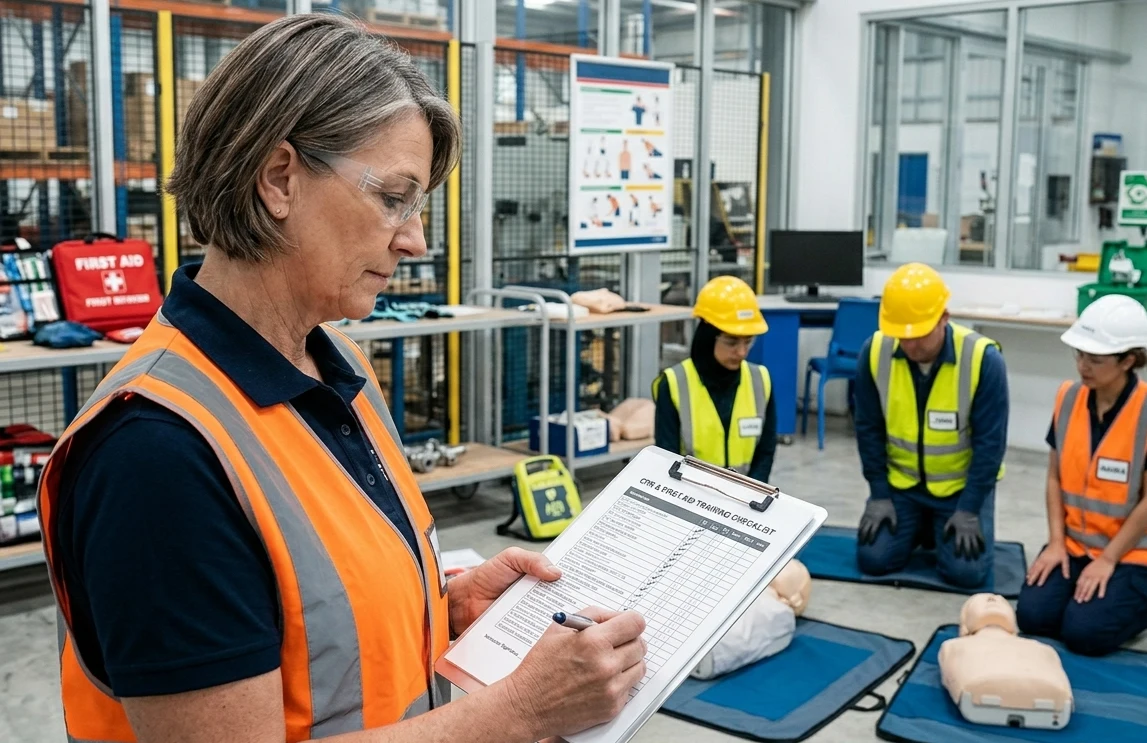
California sets a higher bar than federal OSHA. If you employ people here, first aid and CPR readiness is not optional.
This checklist covers what Title 8 actually requires, what auditors look for, and what changes in 2026. We have kept San Diego and Southern California businesses compliant since 1998.
What Title 8 Section 3400 actually requires
Most compliance articles get this wrong. Here is the regulation in plain English.
Medical personnel available. You must ensure ready availability of medical personnel for advice on workplace health and injury.
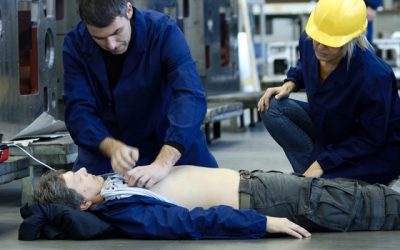
Trained responders. Where no infirmary, clinic, or hospital is near your workplace, someone must be trained in first aid. Training must be equal to American Red Cross or MSHA standards.
Approved supplies. You need adequate first aid materials, approved by your consulting physician, readily available on every job. They must be kept sanitary and usable.
Frequent inspection. Materials must be inspected frequently and replenished as needed. The regulation says “frequent,” not monthly.
Emergency transport. Where ambulance service is not available within 30 minutes, you need a communication system, on-site treatment facilities, or transport equipment.
The detail most employers miss: Section 3400 does not publish a list of required kit contents. It says your contents must be approved by a consulting physician. A generic kit off the shelf does not satisfy that on its own.
The compliance checklist
1. Trained personnel on every shift
Cover every shift, not just business hours. Multi-site businesses need trained staff at each location.
Plan for absences. Most compliant employers train at least two people per shift. We recommend certifying 10 to 15 percent of your workforce so vacations and turnover never leave you exposed.
Not sure how many people you need? See our guide to how many employees need CPR training under OSHA.
2. Certification that actually counts
Training must be equal to American Red Cross or MSHA standards. In practice, Cal/OSHA inspectors expect a recognised provider and a hands-on skills evaluation.
- Cards must be current. AHA cards are valid two years.
- The course must include hands-on skills practice, not video alone.
- Clinical and medical staff need BLS for Healthcare Providers.
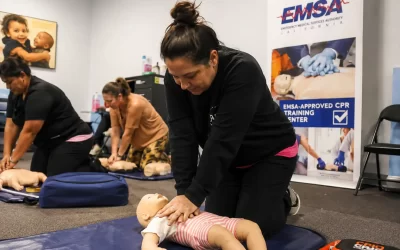
- Licensed childcare facilities need EMSA-approved courses. See our California EMSA childcare training guide.
For most workplaces, the Combination CPR/AED and First Aid class is the one you want. It covers both requirements in a single session.
3. First aid supplies and physician approval
This is where most California employers fall short.
Your kit contents must be approved by your consulting physician, matched to your actual workplace hazards. A construction site, a dental office, and an accounting firm should not carry identical kits.
Typical contents include adhesive bandages, sterile gauze, tape, scissors, elastic wraps, antiseptic, CPR breathing barriers, and disposable gloves. Higher-hazard sites often add eye wash, burn dressings, and bleeding control supplies.
Inspect frequently. Replace anything used or expired, and log it.
4. What is changing in 2026
Cal/OSHA has proposed amending Sections 3400 and 1512. The proposal would:
- Replace variable supply lists with ANSI/ISEA Z308.1-2021 Class A kit standards
- Require kits to be reachable within three to four minutes and clearly marked
- Allow consultation with a physician or other licensed health care professional, not a physician only
- Require extra supplies based on a workplace hazard assessment
- Remove outdated construction items such as oxygen and tongue depressors
The public hearing was held 15 January 2026. Check the Cal/OSHA Standards Board for current status before updating your program.
If you buy kits now, buying to ANSI Z308.1-2021 Class A puts you ahead of the change.
5. AED placement and readiness
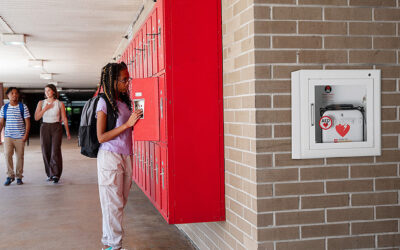
Cal/OSHA does not mandate AEDs for every workplace. California Health and Safety Code §1797.196 and §104113 do impose requirements on many building types and occupancies.
- Aim for AED access within three minutes anywhere in the building.
- Check battery and pad expiry on a set schedule.
- Keep maintenance records.
- Registration with local EMS may be required.
We sell, service, and rent AEDs. See AED equipment and training, AED rental in San Diego, or read rent or buy an AED, the real math.
6. Documentation and recordkeeping
Section 3400 does not set a retention period. Other Title 8 sections and your insurer will, so keep organised records regardless.
Keep training completion records, copies of certification cards, kit inspection logs, AED maintenance records, and incident reports.
On hard copies: employers frequently ask whether physical copies of Safety Data Sheets are required. Under the Hazard Communication Standard, SDSs must be readily accessible to employees during every work shift. Electronic access is acceptable only if workers can reach it immediately without barriers, and you have a backup for power or network failure. Many employers keep a printed binder for that reason.
7. Emergency Action Plan
Title 8 Section 3220 requires a written Emergency Action Plan. Include designated first aid responders, emergency contacts, evacuation routes, kit and AED locations, and injury reporting steps.
Review it annually, and any time staffing, layout, or hazards change.
8. What a Cal/OSHA inspection looks at
If an inspector arrives, expect them to ask for:
- Current certification cards for named responders
- Your written Emergency Action Plan
- Kit locations, contents, and inspection logs
- Evidence of consulting physician approval for kit contents
- AED maintenance records where AEDs are present
- Injury and illness records, including the Log 300 where applicable
Assemble these in one binder or folder now. Producing them quickly is half the battle.
9. Other Cal/OSHA training you may owe
First aid and CPR is one piece. Depending on your industry you may also owe Injury and Illness Prevention Program training, Heat Illness Prevention, Hazard Communication, Bloodborne Pathogens, and Workplace Violence Prevention.
Construction has its own rules under Section 1512. See do construction companies need CPR training in California and our construction CPR training.
10. Beyond minimum compliance
- Set calendar alerts 90 days before cards expire.
- Run a short refresher drill annually.
- Pair trained employees so no shift depends on one person.
- Debrief after every first aid incident.
Get your team compliant
We bring training to your workplace anywhere in Southern California. All equipment included, same-day cards, and documentation for your compliance file.
AHA and EMSA accredited, family-owned since 1998, 666 five-star reviews, two San Diego locations.
Request an on-site training quote or call (619) 281-3304.
Frequently asked questions
What does Cal/OSHA require in a workplace first aid kit? Section 3400 does not publish a contents list. It requires adequate materials approved by your consulting physician and matched to your hazards. Typical kits include bandages, gauze, tape, scissors, antiseptic, CPR barriers, and gloves. The proposed 2026 amendment would move California to the ANSI/ISEA Z308.1-2021 Class A standard.
How often must first aid kits be inspected? Section 3400 says “frequent” inspection and replenishment as necessary. It does not name an interval. Monthly is a common practice and easy to defend in an audit.
Can online-only CPR courses satisfy Cal/OSHA? Generally no. Inspectors expect hands-on skills practice and evaluation. Blended courses that pair online coursework with an in-person skills session are accepted. Our online-only courses are for awareness training, and do not meet AHA BLS, EMSA, or hands-on workplace requirements.
How close must emergency medical services be? Section 3400(e) addresses situations where ambulance service is not available within 30 minutes. In that case you need a communication system, on-site treatment facilities, or transport equipment. Separately, trained first aid personnel are required where no infirmary, clinic, or hospital is nearby.
Do I need a written first aid policy? A written Emergency Action Plan is required under Section 3220. A standalone first aid policy is not separately mandated, but it helps in an audit.
What happens if we fail an inspection? Cal/OSHA issues citations and penalties, with higher amounts for serious, repeat, or wilful violations. Current penalty ranges are published by the Department of Industrial Relations.
Related reading
How to host CPR training at your workplace
OSHA CPR requirements for California employers
How many employees need CPR training under OSHA