When it comes to learning life-saving skills like CPR and First Aid, the format you choose—hands-on, hybrid, or online-only—can make a big difference. In 2025, both individuals and employers in San Diego and across Southern California have more options than ever. But which format meets regulatory standards? Which is accepted by employers? And what should you choose if you’re fulfilling a workplace requirement?
In this article, we break down the differences, explain who accepts what, and help you make the right choice.
Why Format Matters in CPR and First Aid Training
The delivery format of your CPR training impacts more than convenience—it affects certification validity, job compliance, and real-world preparedness. Here’s a quick overview:
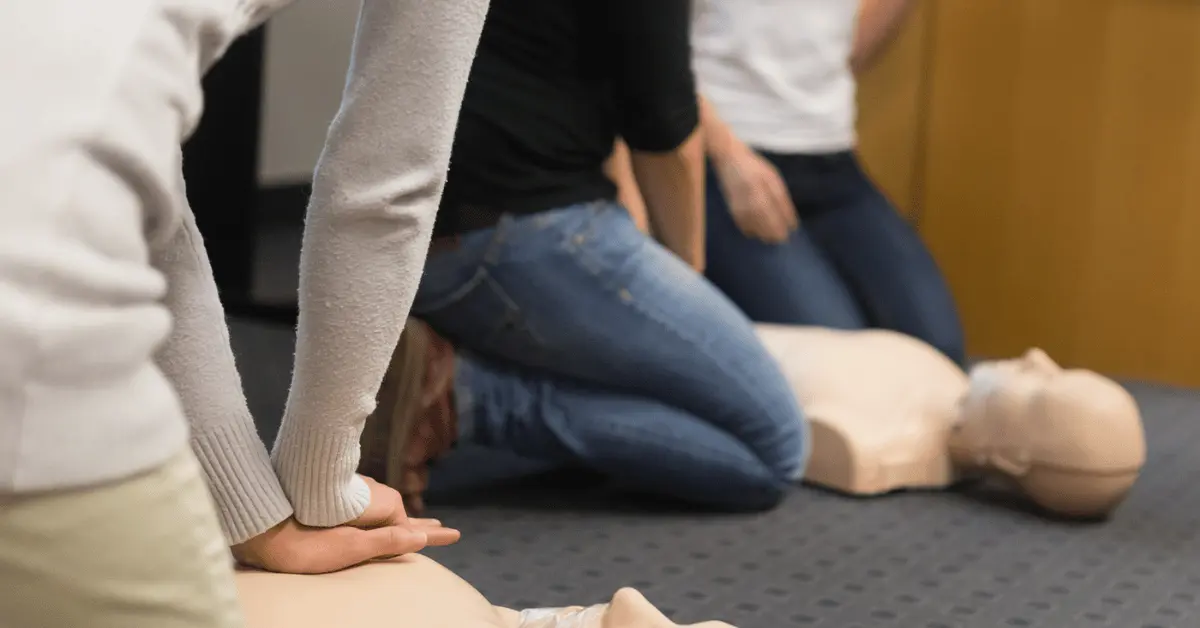
- Hands-On (In-Person): Fully instructor-led classes at our San Diego or Oceanside locations. Ideal for those who need American Heart Association (AHA) certification or want the most comprehensive skills practice.
- Blended (Hybrid): Combines online learning with an in-person skills session. These courses meet AHA guidelines and most California workplace standards. Learn more on our Blended CPR & First Aid Training page.
- Online-Only: 100% virtual and convenient. Great for general knowledge or non-AHA-required workplaces, but does not qualify for AHA certification or most healthcare roles.
Who Accepts What?
Hands-On or Hybrid Training
If you’re a healthcare provider, childcare professional, or working in a role that follows OSHA, AHA, or EMSA guidelines, you likely need either:
- AHA BLS Certification (required by hospitals, clinics, EMTs)
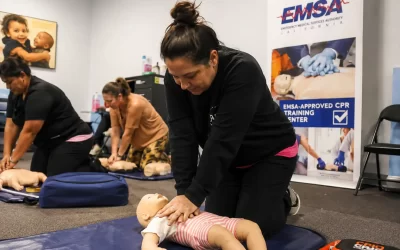
- EMSA Pediatric CPR and First Aid (required for licensed childcare providers in California)
These certifications are only available through in-person or blended training. Our classes are fully aligned with these standards.
Online-Only Courses
Some employers accept online-only certifications, especially for:
- General workplace safety
- Non-medical roles
- Employees seeking foundational knowledge without a compliance requirement
While convenient, online-only training does not include a hands-on skills check, so it is not accepted by AHA, EMSA, or most regulatory bodies.
What Should You Choose?
Ask yourself:
- Does my employer require AHA or EMSA certification?
- Will I need to demonstrate skills in person to be certified?
- Am I taking this for personal knowledge or a regulatory requirement?
If you’re unsure, it’s safest to choose a blended or in-person class. These options cover all the bases and provide you with a widely accepted certificate.
Where Can I Take CPR Classes in San Diego?
We offer hands-on and blended CPR and First Aid training at two convenient locations:
- Mission Valley, San Diego
- Oceanside, North County, San Diego
Searches like “where can I take CPR classes in San Diego” lead people straight to us. Our AHA-certified instructors and flexible class formats ensure you get the training you need.
Need Group CPR Training at Your Location?
If you’re in another part of Southern California or want us to come to your workplace, we offer on-site group CPR training at your facility. Visit our Host a Class page to get started.
Final Thoughts: Online Convenience vs In-Person Compliance
Online CPR training is easy and accessible, but it’s not always enough. For certifications that count—and skills that stick—choose a hands-on or hybrid course. Most employers and licensing agencies in California require it.
Ready to Get Certified?
Book your class at one of our San Diego locations or schedule a group session at your facility. Our certified instructors are here to help you meet your compliance requirements and build real-life skills.