Online CPR certification is legitimate.
But here’s what many people don’t realize:
Some employers will still reject it.
If you’ve ever completed an online CPR course only to be told “this doesn’t count,” you’re not alone.
Let’s break down why that happens — and how to choose the right course the first time.
The 4 Most Common Reasons Employers Reject Online CPR
1️⃣ No Hands-On Skills Evaluation
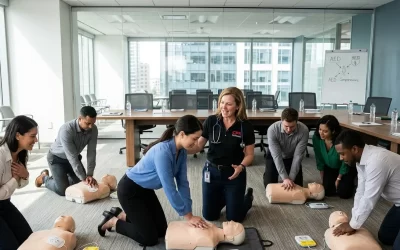
Many regulated industries require physical demonstration of:
- Chest compressions
- Rescue breathing
- AED use
- Choking response
Online-only courses do not include live skills verification.
Industries that often require hands-on testing:
- Healthcare
- Licensed childcare
- Construction
- Government roles
If you work in these fields, consider:
👉 CPR & First Aid in-person training
2️⃣ Employer Requires AHA-Specific Certification
Some employers require:
- American Heart Association (AHA) cards
- Red Cross credentials
- Specific course types (like BLS)
If you are in healthcare, you likely need:
👉 BLS CPR for Healthcare Providers
Online general CPR courses may not satisfy this requirement.
3️⃣ State-Regulated Licensing Requirements
In California, certain professions have additional training rules.
For example:
- Childcare providers must complete EMSA-approved Pediatric CPR & First Aid
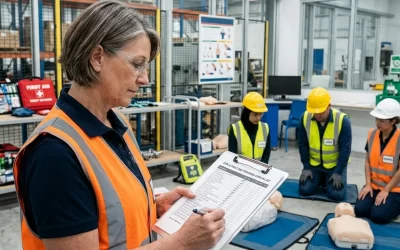
- Construction employers may require designated trained personnel under Cal/OSHA
If you’re in childcare:
👉 EMSA Childcare CPR & First Aid Certification
Online-only general CPR typically does not meet EMSA approval.
4️⃣ Insurance or Liability Policies
Some employers reject online-only certification because:
- Insurance carriers require documented skills testing
- Risk managers prefer instructor-led training
- Legal counsel recommends hands-on verification
Even when OSHA does not explicitly mandate CPR, employers often adopt stricter internal standards.
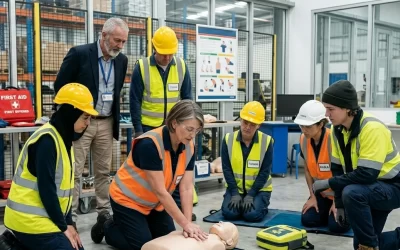
For businesses training multiple employees, on-site instruction is often the safest approach:
👉 Host an on-site CPR class at your workplace
When Online CPR Is Usually Accepted
Online CPR certification is commonly accepted for:
✔ General workplace safety roles
✔ Corporate offices
✔ Volunteer requirements
✔ Personal preparedness
✔ Employers that do not require hands-on verification
If your employer allows it, you can view:
👉 Online CPR & First Aid certification options
How to Avoid Wasting Money on the Wrong Course
Before enrolling, ask your employer:
- Do you require AHA or Red Cross certification?
- Is a hands-on skills test required?
- Is online-only CPR acceptable?
- Do you require EMSA approval (for childcare)?
Getting clarity first prevents having to pay twice.
The Safest Rule of Thumb
If your job involves:
- Healthcare
- Childcare
- Construction
- High-risk environments
- Regulatory oversight
Choose in-person or hybrid training.
If you are certifying for personal knowledge or general workplace roles, online-only is often acceptable.
Not Sure What You Need?
We can help you choose the correct certification path.
A-B-CPR offers:
- Online certification
- Hybrid CPR training
- In-person classroom courses
- On-site workplace training
Across Southern California, including:
- San Diego County
- Orange County
- Surrounding areas
👉 Contact us or request group training here
Choosing correctly the first time saves time, money, and frustration.